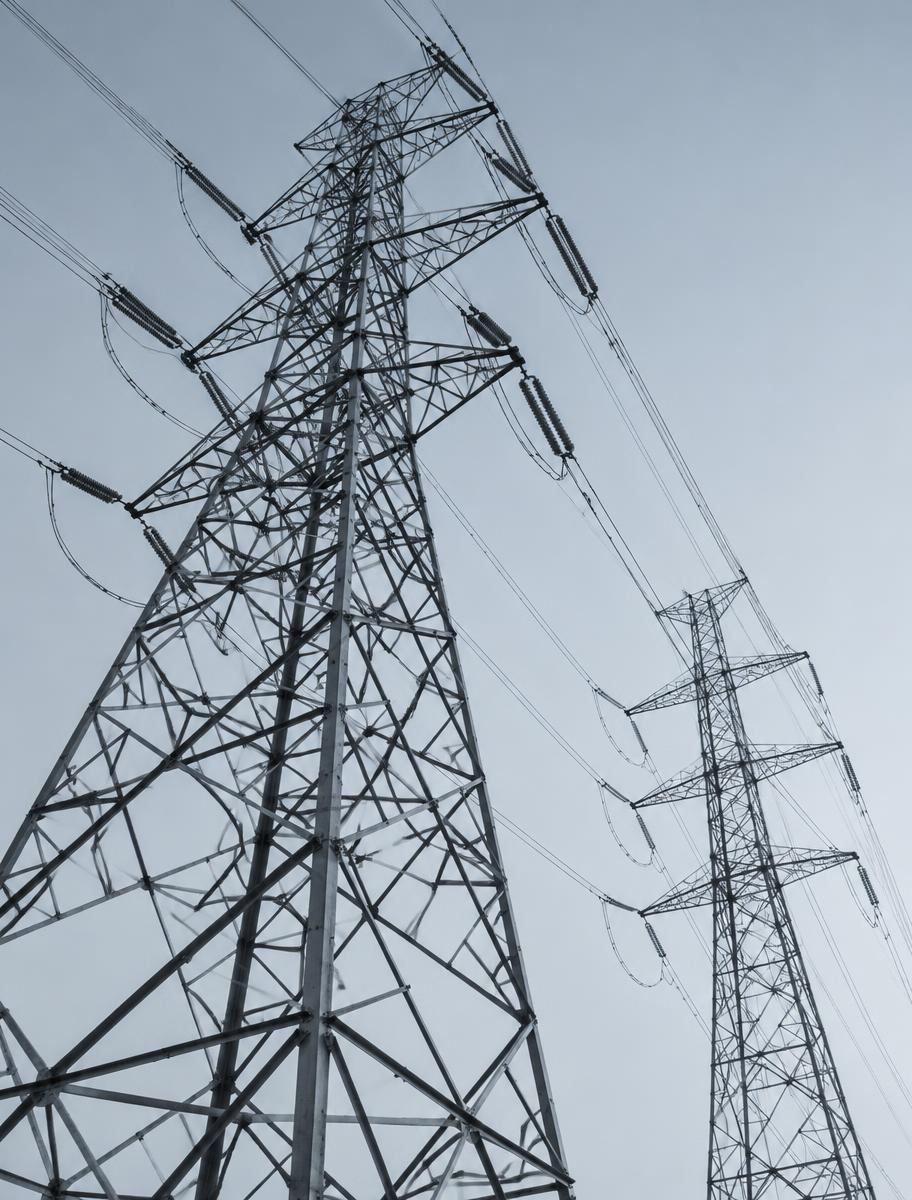
Utility development recruiting.
Utility development goes beyond relationship management. It's the work of shaping how a utility plans, prices and builds for a data center load, and getting it in writing.
Why utility development recruiting needs a specialist.
- Utility large-load, rates and resource planning teams
- Regulatory and rate-case consultants
- Developers who have negotiated electric service agreements
- Transmission owner business development
Large loads are forcing utilities to rewrite tariffs, collateral requirements and planning processes. Developers and hyperscalers need leaders who can sit across the table, understand the utility's constraints and structure agreements that hold up.
Utility development leaders typically come from inside utilities (large-load, rates, resource planning and transmission) or from developers and consultants who have negotiated electric service agreements at scale.
We recruit people who can move from a first capacity conversation to a signed electric service agreement, with the regulatory fluency to anticipate what the commission will ask.
Role guides & salary estimates.
VP of Utility Development
The VP of Utility Development structures how utilities plan, price and build for the company's data center loads, and gets those terms signed.
$230K–$340K est. →Utility Relations Manager
A utility relations manager owns a data center company's relationships with its serving utilities and helps secure capacity on workable terms.
$140K–$200K est. →Large Load Interconnection Lead
A large load interconnection lead specializes in connecting very large electrical loads, hundreds of megawatts, to the transmission system.
$170K–$240K est. →Director of Power
A director of power leads a data center company's strategy for securing and delivering electricity across its portfolio.
$200K–$300K est. →
Estimated U.S. base salary ranges. Not offers or guarantees: see the Salary Guide.
- 01
Scope
We define the utility development role with you: reporting line, project stage, must-have experience and a realistic compensation range.
- 02
Map
We map the market across utilities, developers, consultants and contractors, including people who aren't actively looking.
- 03
Engage
We approach candidates confidentially, explain the opportunity in their language and screen for real technical depth.
- 04
Shortlist
You receive a short, calibrated slate with written assessments, compensation expectations and timing.
- 05
Close
We manage interviews, references, offer strategy and resignation so good candidates don't fall away at the end.
Utility Development Recruiting, answered.
How is utility development different from utility relations?+
Utility relations manages the ongoing relationship. Utility development structures the commercial and regulatory terms (tariffs, electric service agreements, collateral and upgrade cost sharing) that make capacity real.
Do utility development hires need regulatory experience?+
Usually, yes. The strongest candidates understand rate cases and large-load tariffs well enough to anticipate regulator and utility positions.
Can someone from a utility move to a developer?+
Often. Former utility staff bring credibility and process knowledge; we screen for the commercial pace developers need.
What level are these roles?+
Most are director to VP level, reporting to the head of power, head of energy or chief development officer.
- Hyperscalers
- Data center developers
- AI compute companies
- Utilities building large-load teams
- Data Center Power Recruiting →
- Interconnection Recruiting →
- Power Systems Recruiting →
- Utility Relations Recruiting →
- Energy Procurement Recruiting →
- Transmission Recruiting →
- Substation Recruiting →
- Power Origination Recruiting →
- Behind-the-Meter Power Recruiting →
- Power Executive Search →
- Utility & Regulatory specialty →