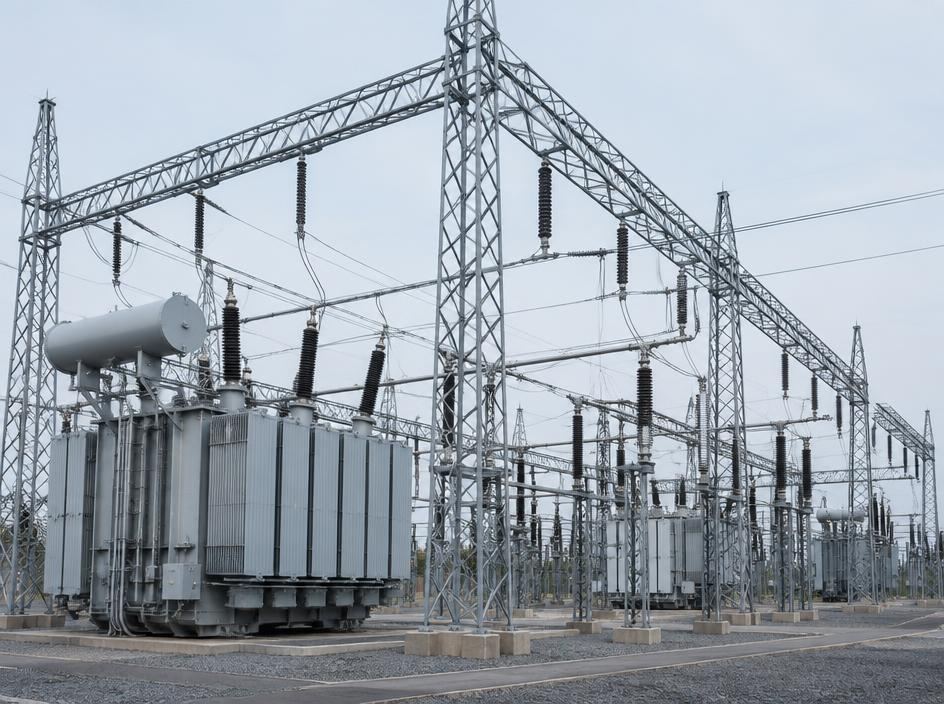
Interconnection is the process of connecting a new data center load to the electric grid. It is now one of the biggest drivers of data center timelines, and it varies by utility and market. The general shape, however, is consistent.
1. Early engagement
Before filing anything formal, developers usually meet with the utility to understand available capacity, likely timelines and the utility's large-load process. Good early engagement can reveal which sites are realistic and which are years away.
“How a data center moves from a load request to energized service: the stages, the documents and the roles that keep it on schedule.”
2. Load request
The developer submits a formal request with the site location, requested capacity, ramp schedule and technical details. Many utilities now require deposits, site control evidence or other commitments to filter speculative requests.
3. Studies
The utility (and in some regions the grid operator) studies how the new load affects the system. Studies may examine thermal limits, voltage, short circuit and stability, and they identify any required network upgrades with cost and schedule estimates.
4. Agreements
With study results in hand, the parties negotiate agreements that define upgrades, cost responsibility, milestones, security and the service arrangement. Large-load tariffs increasingly include minimum-demand commitments and contribution requirements.
5. Design and construction
The utility builds or upgrades transmission and substation facilities while the developer builds its campus substation and distribution. Coordination on protection, metering and communications is essential.
6. Energization and ramp
After testing and commissioning, the utility energizes service. Many campuses ramp load in phases over several years, which often requires additional coordination as each phase comes online.
Who runs the process
An interconnection manager or large-load interconnection lead usually owns the process, supported by power systems engineers who review studies, utility relations managers who maintain the relationship and a director of power who sets strategy across sites.