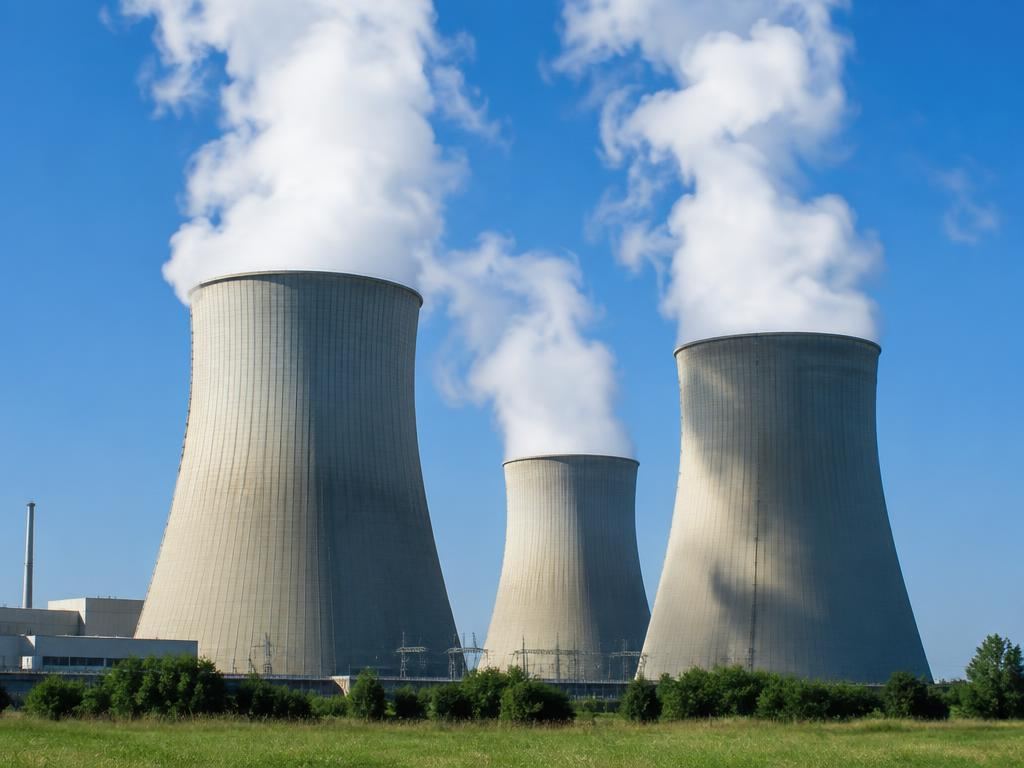
Firm, carbon-free power has put nuclear back at the center of data center energy strategy.
Near-term options
Restarts, uprates and co-location agreements with existing plants are drawing serious attention.
“Restarts, uprates and advanced reactors are back in the conversation.”
The talent question
A new nuclear cycle needs licensing, engineering and operations expertise that has been in short supply for a generation.
Why nuclear, why now
Data centers need power around the clock. Nuclear plants run at very high capacity factors and produce no carbon emissions, which makes them attractive to companies with both reliability and climate commitments. Recent agreements between technology companies and plant owners have put long-term nuclear supply back on the table.
Restarts and uprates
Bringing a recently closed plant back online, or increasing the output of an operating one, is the fastest way to add nuclear capacity. Both require deep regulatory and engineering expertise and close work with the Nuclear Regulatory Commission.
Co-location
Placing a data center next to an existing plant can shorten timelines, but raises questions about grid fairness, transmission charges and regulatory approval. These arrangements need people fluent in both utility regulation and plant operations.
Advanced reactors
Small modular and advanced reactors promise factory-built, scalable capacity later this decade and into the next. Developers are hiring licensing, safety and project leaders now to be ready for first deployments.
The talent gap
The U.S. built very few reactors for decades, and much of the experienced workforce is near retirement. Licensing engineers, health physicists, nuclear project managers and senior reactor operators are some of the hardest people to hire in the entire energy sector. Companies betting on nuclear need a talent plan as much as a power plan.
The talent nuclear will require
Restarting existing plants, extending licenses and deploying small modular reactors all depend on a workforce that shrank for decades. Licensed operators, nuclear engineers, radiation protection specialists and regulatory experts are already scarce, and new projects will need thousands more over the next ten years.
Data center companies signing nuclear power agreements are hiring their own nuclear advisors and energy strategists to evaluate deals, track regulatory milestones and manage risk. These roles barely existed in the technology sector five years ago.
A long runway
Nuclear timelines are measured in years, so the hiring wave will build gradually. Companies that develop relationships with nuclear professionals now will be better placed when projects reach construction and operation.