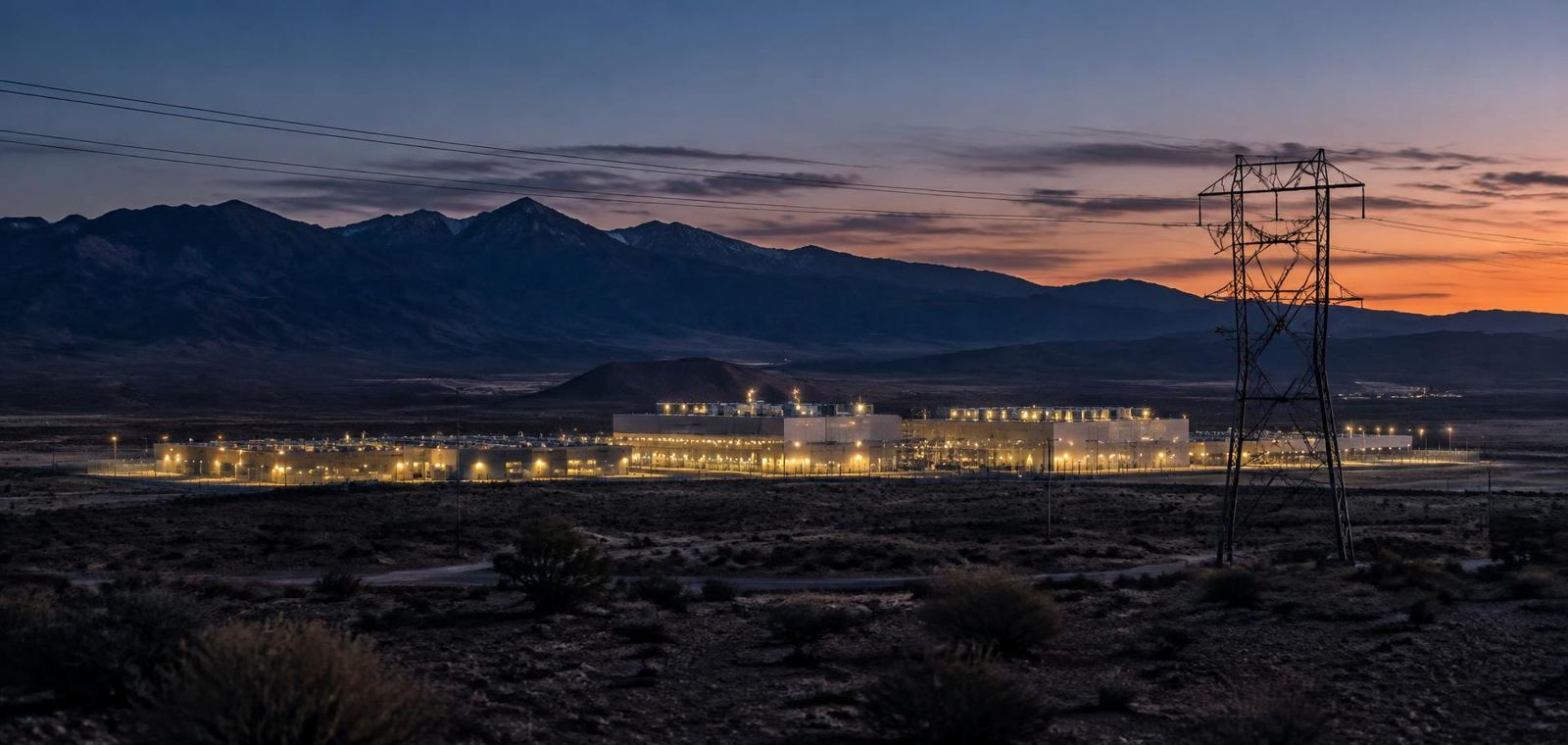
Land is plentiful. Land with deliverable power, on a timeline that matters, is not.
What makes land 'powered'
Nearby transmission, available capacity and a utility willing to serve large load all have to line up.
“Sites with real power capacity have become the scarcest asset in the industry.”
Who finds it
Originators who combine real estate instincts with utility knowledge are becoming some of the most valuable people in development.
The checklist
A truly powered site needs proximity to high-voltage transmission, available capacity at nearby substations, a utility willing to commit to a service date, enough acreage for phased growth, zoning that allows data centers, water or cooling options, and fiber. Missing any one item can add years.
Competition for the same sites
Hyperscalers, colocation developers, AI companies and land funds are all chasing the same short list. Sites with credible near-term power can trade at large premiums over raw land, and good options are often under contract before they reach the open market.
Community and zoning
Local opposition over noise, water, land use and electricity costs has grown. Successful originators engage early with counties and communities, and bring credible plans for benefits like tax revenue and infrastructure investment.
The skills that matter
The best land teams combine site selection, entitlements, utility coordination and deal-making. Many of their strongest hires come from utility economic development groups, renewable energy land teams and industrial real estate.
The people who find the sites
Powered-land origination is part real estate, part utility strategy and part negotiation. The strongest originators can read a transmission map, understand substation capacity, talk with landowners and county officials, and judge how long a utility will really take to deliver service. That mix of skills is rare, and most of it is learned on the job.
Building an origination team
Successful land platforms usually start with a leader who has closed powered sites before, then add specialists in utility engagement, entitlements and community relations. Firms that hire generalists and hope they learn the utility side often lose sites to competitors who move faster.
As demand pushes into secondary markets, local knowledge matters more. Originators with relationships in a specific utility territory are often worth more than national generalists, because they know where capacity truly exists before it shows up in public filings.